Thank you to our 2026 Season Sponsors
Thank you to our 2026 Season Sponsors



September 27, 2024
It’s peak leaf watching time in Spearfish Canyon! This weekend you will see once-in-a-season foliage. The birch and aspen are golden throughout the Canyon. Dogwood and sumac bushes are mauve, purple, and ruby red. When I drove through the Canyon this morning, I noticed trees I have not seen all season. Even the smallest deciduous trees seem to pop against the dark evergreens and mountain cliffs right now.


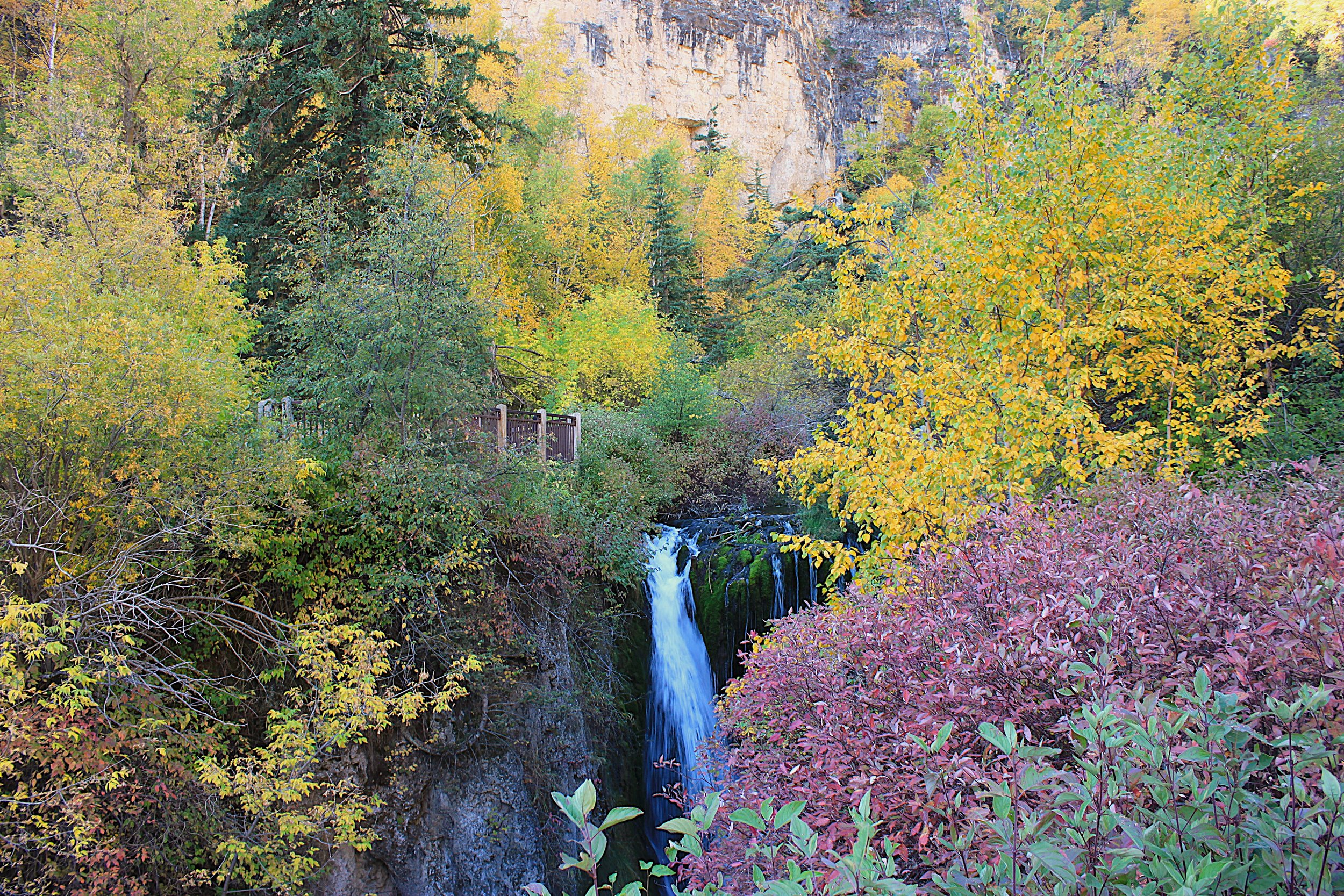


Color Change: 95% (High)
Leaf Drop: Minimal
It’s peak leaf watching time in Spearfish Canyon! This weekend you will see once-in-a-season foliage. The birch and aspen are golden throughout the Canyon. Dogwood and sumac bushes are mauve, purple, and ruby red. When I drove through the Canyon this morning, I noticed trees I have not seen all season. Even the smallest deciduous trees seem to pop against the dark evergreens and mountain cliffs right now.
Here are a couple spots to watch for: When you approach the Devil’s Bathtub Parking sign from Spearfish, look up and to the left (east). There is a grove of golden trees on the high peaks there that is easy to miss. My favorite spot today was right after Long Valley Picnic Area. The byway faces a Canyon wall straight on that is layered with gorgeous fall trees.
Please drive slow through the Canyon this weekend. Watch for pedestrians and wildlife crossing the road, along with bicyclists. There will likely be some rock debris on the road. Stay on designated trails to protect the Canyon’s growth.
Today, I even spied Smokey Bear who is a great reminder of forest safety. The U.S. Forest Service has trail resources available at the Bridal Veil Falls and Savoy pull-off areas until 2 p.m. today.
Enjoy the season in full splendor in Spearfish!

September 25, 2024
Spearfish Canyon is at 85% of its total fall color saturation and is nearing its peak and most vibrant fall colors. Nearly every turn along the byway is bursting with golden hues from birch, aspen, and elms. My favorite areas today were the uppermost elevations near Calamity Gulch as you’re driving into the Canyon from Spearfish and between Botany Bay and Bridal Veil Falls.


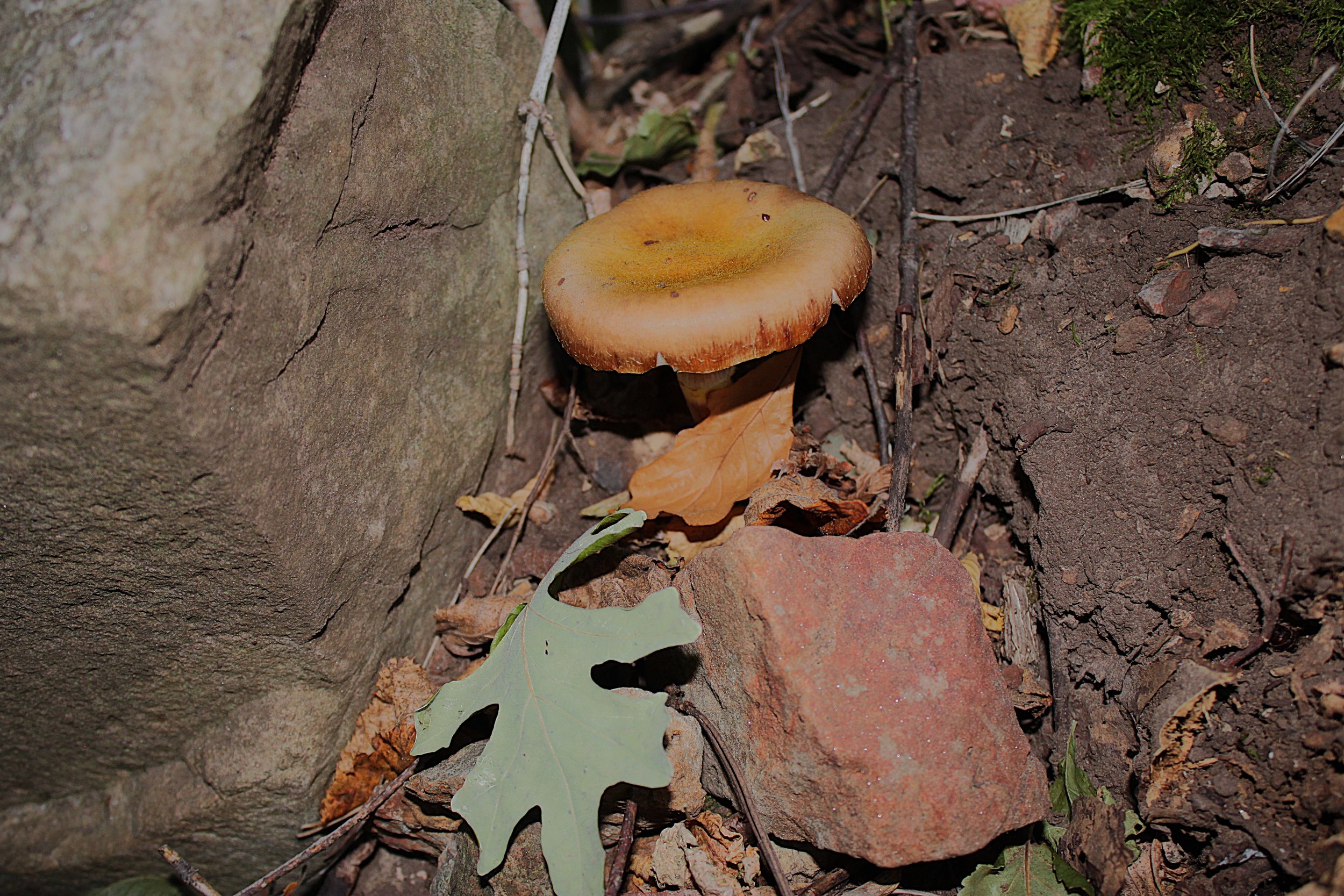


Color Change: 85% (High)
Leaf Drop: Minimal
Spearfish Canyon is at 85% of its total fall color saturation and is nearing its peak and most vibrant fall colors. Nearly every turn along the byway is bursting with golden hues from birch, aspen, and elms. My favorite areas today were the uppermost elevations near Calamity Gulch as you’re driving into the Canyon from Spearfish and between Botany Bay and Bridal Veil Falls. Locate these spots on the Spearfish Canyon Leaf Watching Map
The trees surrounding the Bridal Veil Falls overlook have not yet reached peak color, but look into the upper cliffs to the southwest as you approach the parking area for a beautiful display of fall colors. Between Botany Bay and Bridal Veil is also where I saw 10 mountain goats grazing this evening! They hung around for several hours. I still expect a bit more color change around Victoria and Long Valley Picnic Area. It was at least 10 degrees cooler in the Canyon, compared to the mini heat wave we’re experiencing today and into the weekend. Step outside your car and feel those Canyon cool breezes!
More often than not, I see people fly fishing at the Maurice Intake when I’m surveying the Canyon. The water is shallow there, only about 4 feet at its max and the area is easily accessible from a pull-off right next to the Canyon byway.
Maurice gets its name from the old town site that was once located there. The hydro plant at Maurice was one of two hydroelectric plants built and used by the Homestake Mining Company to support mining operations. The Maurice hydro plant was completed in 1917. Building the Maurice water diversion was a decade-long undertaking. The process involved cutting through rock, laying tunnels, and placing trestles to redirect the powerful Spearfish Creek to the hydroelectric plants at Maurice and in Spearfish.
Homestake used the power generated from the Maurice Diversion for nearly 100 years, then sold the facility to the City of Spearfish. To control the facility, the City needed to get licensed to run the hydro plant by the Federal Energy Regulatory Commission (FERC). A stipulation of that license was to release some water to the downstream habitat. Several miles of creek channel dried up as a result of the early 1900s diversion.
The Maurice Diversion is actually designed to overflow. There is a maximum amount of water that can come through the 5-mile underground tunnel to Spearfish. When large rainfall amounts accumulate or snow melts in the spring, the excess flows over and into the natural stream bed. As I talked about in my September 3, 2024 leaf report, Spearfish Creek runs through the Canyon until around Split Rock. Split Rock is a water loss zone. Water disappears underground through the porous limestone. Some believe that if Spearfish Creek didn’t divert water at Maurice, there would be much less water as we know it in Spearfish Creek, especially in dry years like we’ve had this year.

September 23, 2024
It’s officially the fall season, and Spearfish Canyon is revealing her fall colors. The Canyon is currently at 70% change toward peak colors. The southeast cliff slope that greets you on the byway as you’re nearing Bridal Veil Falls is full of golden hues. Sumac shrubs were still surprisingly green today. But, I did find a grouping of sumac that have turned their radiant reds adjacent to the Kissing Rocks, about eight miles into the Canyon from Spearfish. There were also many fast chipmunks running around this area, too. These rodents were probably snacking on acorns from oaks. The oak trees I saw were still green in color. We are still waiting for peak fall colors at Savoy, but the leaves are moving along in their transition and definitely still worth seeing!


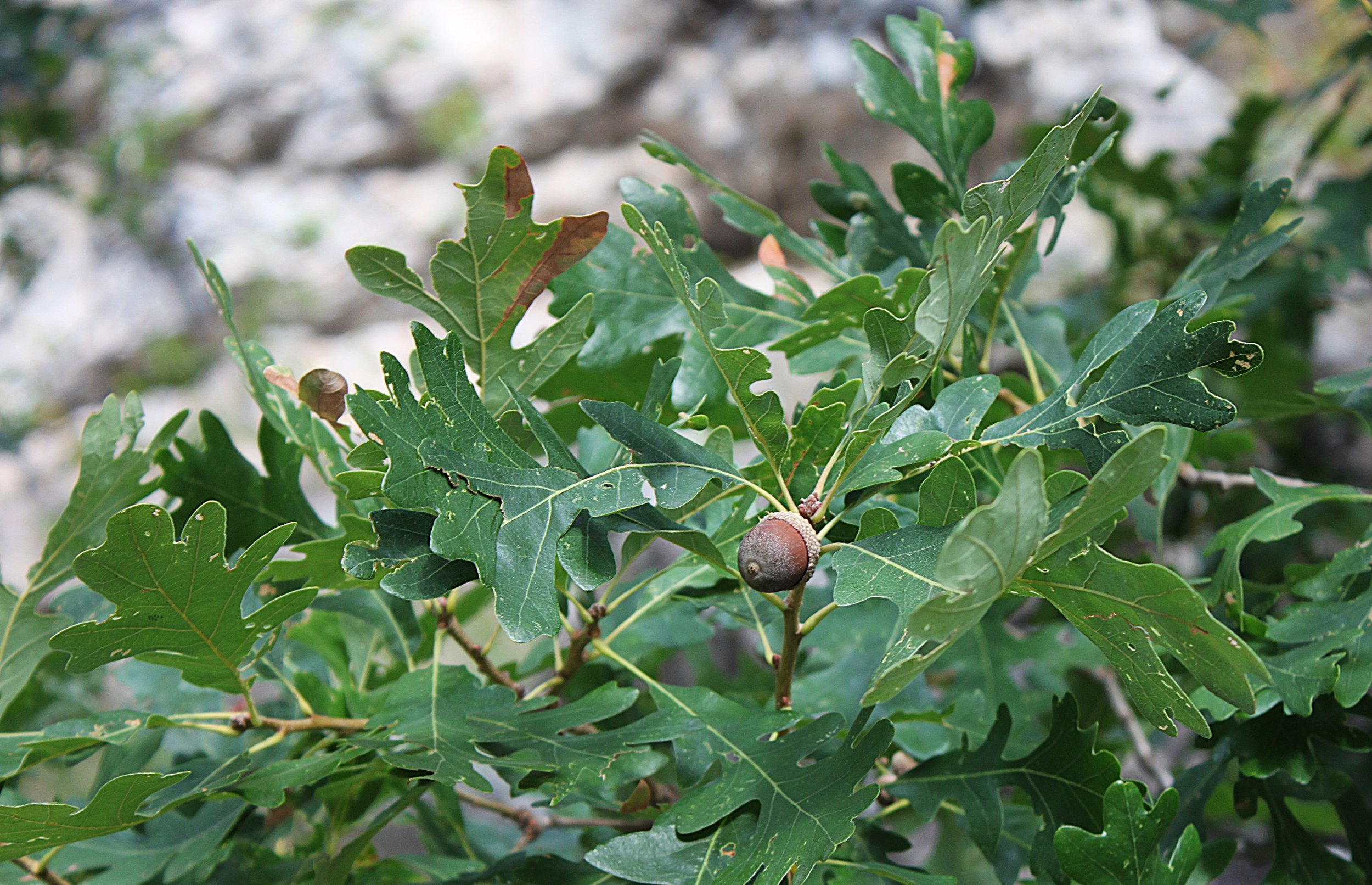


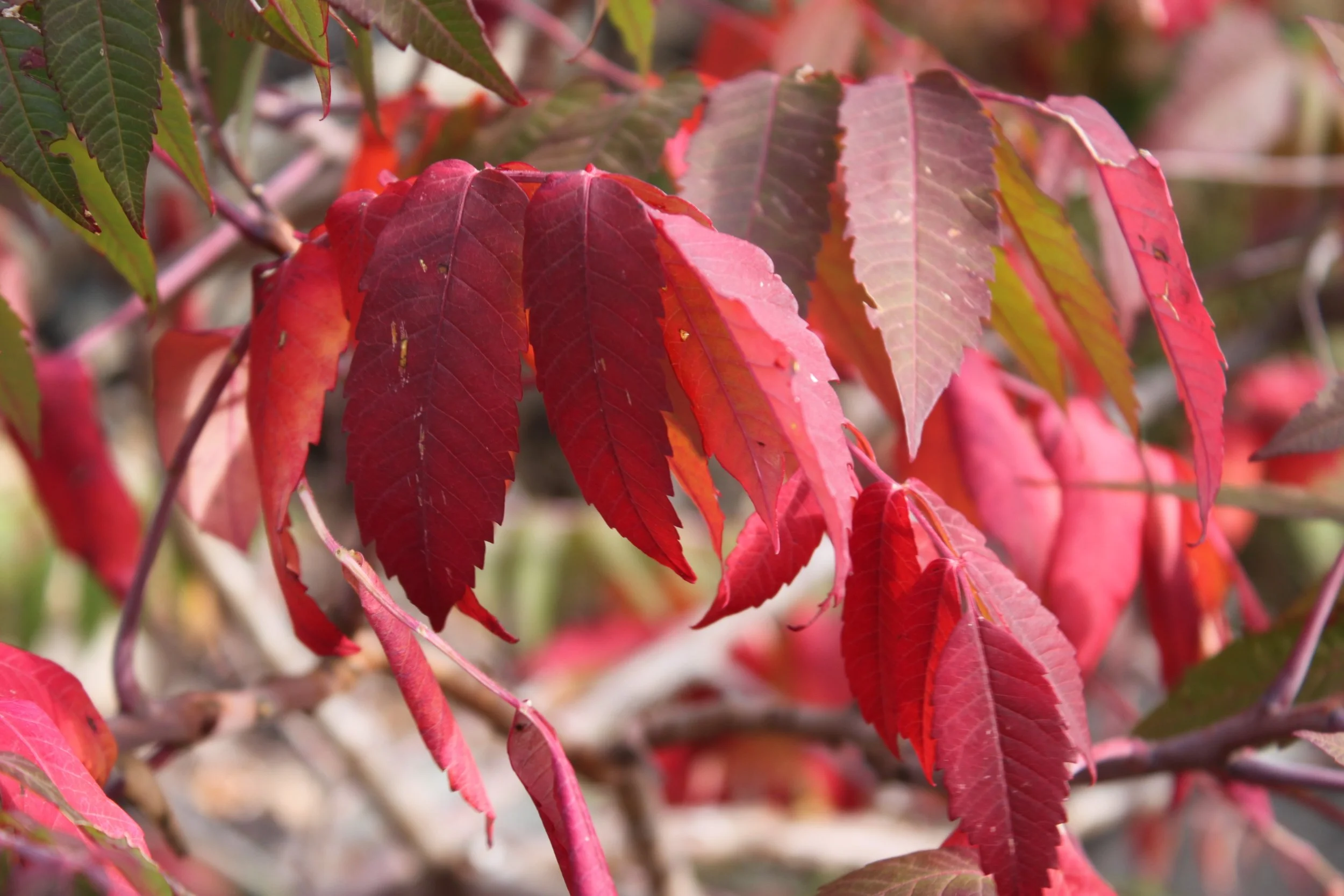
It’s officially the fall season, and Spearfish Canyon is revealing her fall colors. The Canyon is currently at 70% change toward peak colors. The southeast cliff slope that greets you on the byway as you’re nearing Bridal Veil Falls is full of golden hues. Sumac shrubs were still surprisingly green today. But, I did find a grouping of sumac that have turned their radiant reds adjacent to the Kissing Rocks, about eight miles into the Canyon from Spearfish. There were also many fast chipmunks running around this area, too. These rodents were probably snacking on acorns from oaks. The oak trees I saw were still green in color. We are still waiting for peak fall colors at Savoy, but the leaves are moving along in their transition and definitely still worth seeing!
I had a moment last week where I realized it’s time to have that spare jacket or blanket in my car for evening events or outside sports games. The swings in temperature, like we’ll see this week, from a cool 40-degree Sunday night to high-80s later in the week, are a sign to the trees that winter is coming. But temperature is not the most important signal to the leaves that it’s time to change colors. What is the most important signal?
The most important factor driving the fall color change is the shortening of the day length. It basically all comes down to this: Fall colors emerge as the leaves stop their food-making process. Throughout the spring and summer, trees are continually producing chlorophyll which makes the leaves appear green. That process is slowing down and stopping right now for deciduous trees in the Canyon. When the chlorophyll breaks down, the green colors disappear and the yellows, oranges, rusts become visible.
Yesterday, Sunday, Sept. 22, was the Fall Equinox for those of us who live in the Northern Hemisphere. The Earth is tilted in such a way that the most intense sun’s rays hit the equator at around 6:43am Mountain Time on Sept. 22, thereby evenly dividing daylight and nighttime hours. As the Earth continues to spin around the sun with its tilted axis, we’ll see continually shorter days and longer nights. This will all start to change again on December 21, the Winter Solstice. On that day we’ll experience our shortest number of daylight hours for the year and begin to see increasingly longer days into spring and summer thereafter.